news
What battles did william the conqueror win
Written by Rachel Fowler — 0 Views
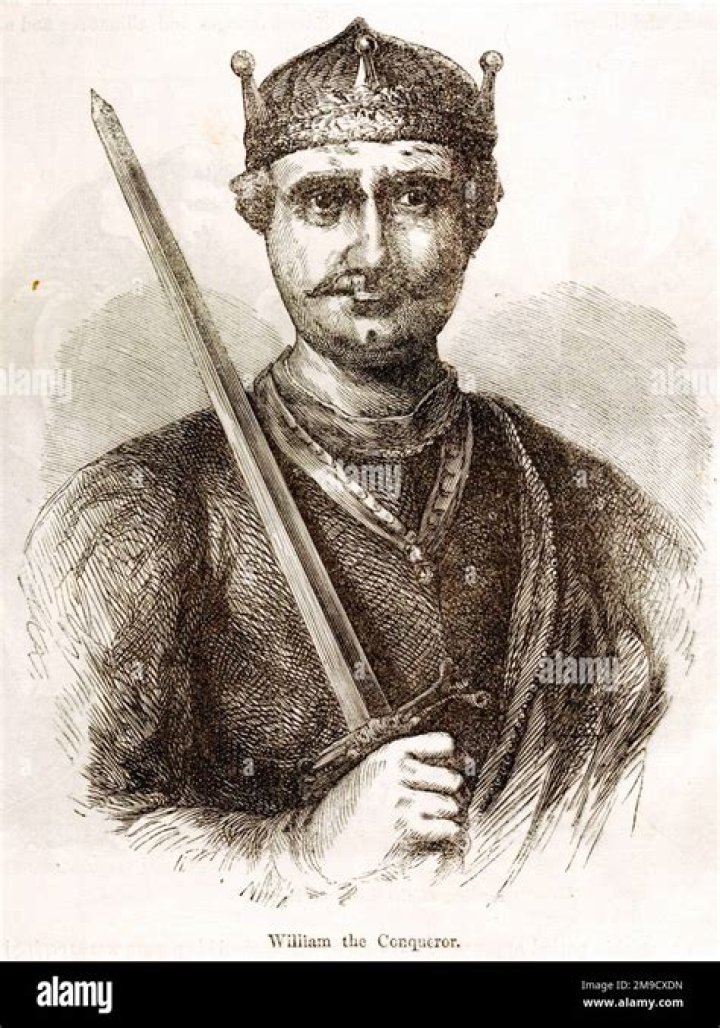
What battles did William the Conqueror fight in?
At the Battle of Hastings on October 14, 1066, William, duke of Normandy, defeated the forces of Harold II, king of England, and then was himself crowned king as William I, leading to profound political, administrative, and social changes in the British Isles as result of the Norman Conquest.What did William the Conqueror accomplish?
William the Conqueror (c. 1027-1087), also known as William, Duke of Normandy, led the Norman Conquest of England in 1066 when he defeated and killed his rival Harold Godwinson at the Battle of Hastings.What were the 3 battles of 1066?
Stamford Bridge, Gate Fulford & Hastings: 3 battles that shaped 1066 – HistoryExtra.Did William win the Battle of Hastings because of luck?
In conclusion, William defeated Harold because of his luck, and that Harold was unprepared. The most important point in the Battle of Hastings was that William won the battle. He made a last-minute plan during the battle, a plan that resulted in the defeat of the English.What was William the Conqueror’s real name?
William I William the Conqueror/Full nameWas William the Conqueror a brutal king?
Brutal occupationThe Normans were brutal, ruthless occupiers. The problem was that William had promised his allies and friends a cut of the cake, but first he had to hold on to England and consolidate his grip.
Why William won the Battle of Hastings ks3?
William won the Battle of Hastings because of his superior strategy and tactics. William was helped to victory by Harold being unlucky on a number of occasions. Harold was wounded and killed at the Battle of Hastings. … Harold had to rush north to fight Harald Hardrada as his northern armies had not defeated him.What weapons did William use in the Battle of Hastings?
The main weapons for both sides are clubs, maces, swords and spears. A typical spear used during the battle was seven or eight feet long. What other weapons can you see below? A mace is an upmarket club, used to bash in the head of one’s opponent.Who was King before Harold?
Edward the Confessor Harold Godwinson ( c. 1022 – 14 October 1066), also called Harold II, was the last crowned Anglo-Saxon king of England.…
| Harold Godwinson | |
|---|---|
| Predecessor | Edward the Confessor |
| Successor | Edgar Ætheling (uncrowned) William the Conqueror |
| Born | c. 1022 Wessex, England |
What battles did Edward the Confessor fight in?
Edward is said to have fought a successful skirmish near Southampton, and then retreated back to Normandy. He thus showed his prudence, but he had some reputation as a soldier in Normandy and Scandinavia. In 1037, Harold was accepted as king, and the following year he expelled Emma, who retreated to Bruges.Who won the Battle of Hastings in 1066?
Battle of Hastings, battle on October 14, 1066, that ended in the defeat of Harold II of England by William, duke of Normandy, and established the Normans as the rulers of England.What advantages did William have in the Battle of Hastings?
William’s army was then able to turn round and attack Harold’s weakened position. Army strength: William had a greater range of soldiers for the battle. As well as foot soldiers, he had a cavalry and more skilled archers. This gave his side a big advantage in the range of tactics and attacks they could carry out.Who won the Battle of Stamford Bridge?
Although Harold Godwinson repelled the Norwegian invaders, his army was defeated by the Normans at Hastings less than three weeks later.…
Battle of Stamford Bridge.
| Date | 25 September 1066 |
|---|---|
| Location | Stamford Bridge, East Riding of Yorkshire, England 53°59′33″N 00°54′45″WCoordinates: 53°59′33″N 00°54′45″W |
| Result | English victory |