Norman Lear Children: Meet His 6 Children
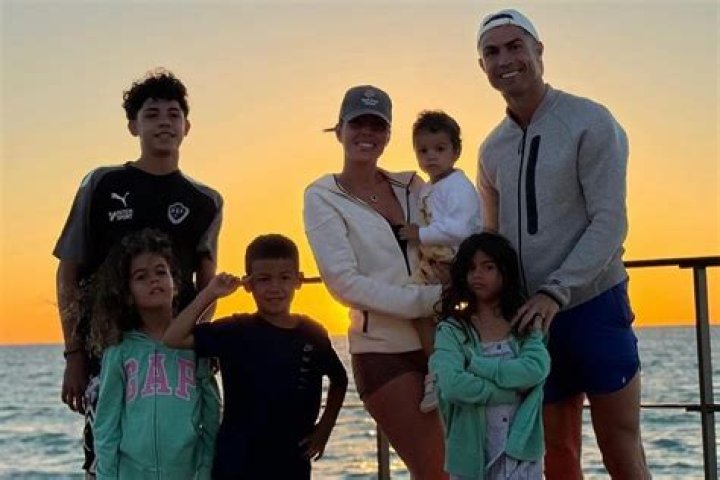
Norman Lear Children: Meet His 6 Children – Norman Lear was an American screenwriter and producer credited with producing, writing, creating, or developing over 100 shows.
Born on July 27, 1922, his notable contributions include the creation and production of popular 1970s sitcoms such as All in the Family (1971–1979), Maude (1972–1978), and Sanford and Son (1972–1977). Even in his later years, Lear remained actively involved in television production, contributing to the 2017 remake of One Day at a Time and the Netflix revival of Good Times in 2022.
Norman Lear Children: Meet His 6 Children
Norman Milton Lear’s expansive family tree bears testament to the rich tapestry of his personal life. Over the course of his three marriages, Lear became the patriarch of a flourishing family that included six children, six grandchildren, and four great-grandchildren, as of the year 2022. The names of his offspring read like a roster of unique individuals, each contributing to the diverse mosaic of Lear’s familial legacy. Among his children are Kate Lear, Madeline Lear, Benjamin Lear, Maggie Lear, Ellen Lear, and Brianna Lear. The diversity of names reflects not only t he personal choices made by each child but also the various phases and relationships that defined Lear’s life.
Aside from his entertainment career, Lear was known for his political activism and support for liberal causes. In 1980, he founded People for the American Way, an advocacy organization aimed at countering the influence of the Christian right in politics. Lear’s commitment to progressive values extended to his involvement with the Malibu Mafia, a group of wealthy Jewish Angelenos engaged in discussions and funding of progressive political issues.
Lear’s political engagement continued through the establishment of the Business Enterprise Trust in 1989 and the Norman Lear Center at the Annenberg School for Communication and Journalism in 2000. He was a vocal supporter of the First Amendment and secularism, as evidenced by his opposition to the interjection of religion in politics.
Despite accusations from some right-wing Christians, Lear consistently affirmed his religious beliefs and commitment to values. He emphasized the importance of keeping religion separate from politics and policymaking, advocating for a nuanced understanding of his beliefs.
In 2001, Lear and his wife, Lyn, acquired a Dunlap broadside—one of the first published copies of the United States Declaration of Independence. Their intention was to tour the document across the country, and this initiative became the Declaration of Independence Road Trip. Lear’s dedication to civic engagement extended to the establishment of Declare Yourself in 2004, a nonpartisan campaign encouraging young Americans to register and vote.
Norman Lear’s multifaceted contributions extended beyond entertainment, leaving a lasting impact on the intersection of media, politics, and society.