Epic Tales on Screen: Exploring Ancient Greek Movies and Their Impact
Introduction
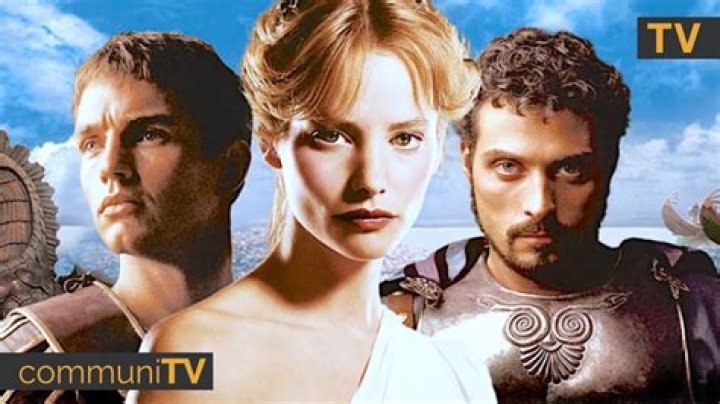
Welcome to the captivating world of Ancient Greek movies, where timeless myths, legends, and historical narratives are vividly brought to life on the silver screen.
In the realm of cinema, the rich tapestry of Greek mythology and history unfolds in all its glory, offering viewers a chance to immerse themselves in epic tales of gods, heroes, and mortal struggles.
These films transport audiences to a world of gods and goddesses, heroes and heroines, and the grandeur of ancient Greece’s landscapes and cities. Prepare to embark on a cinematic journey that traverses the realms of Mount Olympus, the Trojan War, the Labors of Hercules, and the intellectual pursuits of legendary philosophers.
From epic adventures to intimate dramas, Ancient Greek movies celebrate the enduring legacy of this remarkable civilization and offer a window into its profound influence on art, culture, and human storytelling.
The Fascination of Ancient Greek Mythology in Film
Ancient Greek mythology has an enduring allure that has captivated audiences for centuries and continues to be a rich source of inspiration for filmmakers worldwide. Here are some key reasons behind its enduring appeal and cinematic influence:
- Timeless Themes: Greek mythology is replete with timeless themes that resonate with audiences of all eras. These include love, heroism, tragedy, destiny, and the eternal struggle between gods and mortals.
- Mythical Heroes and Villains: The pantheon of Greek gods and heroes, from Hercules and Perseus to Zeus and Athena, offers a wealth of compelling characters that can be adapted and reimagined for contemporary audiences.
- Spectacle and Epic Stories: Greek mythology is full of epic narratives, such as the Trojan War, the Quest for the Golden Fleece, and the Labors of Hercules. These stories provide filmmakers with the opportunity to create grand, visually stunning productions that are both epic in scale and intimate in their exploration of human nature.
- Philosophical Depth: Beyond its epic tales, Greek mythology also delves into philosophical and moral questions. Filmmakers often use these narratives to explore deeper themes, such as the nature of humanity, the consequences of hubris, and the balance between fate and free will.
- Visual Splendor: Greek mythology offers filmmakers a rich tapestry of visually stunning settings, from the heights of Mount Olympus to the depths of the Underworld
Epic Cinematic Journeys: Unforgettable Ancient Greek Movies
Here are some iconic Ancient Greek movies that have left a lasting impact on cinema:
- Troy (2004): Directed by Wolfgang Petersen, “Troy” is an epic adaptation of Homer’s “Iliad.” The film stars Brad Pitt as Achilles, Eric Bana as Hector, and Orlando Bloom as Paris. It tells the story of the legendary Trojan War, where love, honor, and the clash of civilizations lead to epic battles.
- 300 (2006): Directed by Zack Snyder, “300” is a visually stunning retelling of the Battle of Thermopylae, where 300 Spartan warriors, led by King Leonidas (Gerard Butler), face the vast Persian army of Xerxes (Rodrigo Santoro). Known for its stylized action and memorable one-liners, the film has become a cult classic.
- Alexander (2004): Directed by Oliver Stone, “Alexander” explores the life of Alexander the Great, played by Colin Farrell. The film delves into the conqueror’s military campaigns, his complex relationships, and his vision of a united world. Angelina Jolie and Val Kilmer also star.
- Clash of the Titans (1981): This classic film, directed by Desmond Davis, offers a loose adaptation of the Perseus myth. It features Harry Hamlin as Perseus, who embarks on a quest to save Princess Andromeda from the wrath of the gods. The film’s stop-motion special effects, including the iconic battle with Medusa, are memorable.
The Influence of Classical Greek Plays: From Stage to Screen
The classical Greek plays of Aeschylus, Sophocles, and Euripides have provided a rich source of inspiration for filmmakers, leading to the creation of captivating film adaptations. Here are a few notable film adaptations of classical Greek plays:
- “Electra” (1962): This film adaptation, directed by Mihalis Kakogiannis, is based on the play “Electra” by Sophocles. The story follows the titular character, Electra, as she seeks vengeance for the murder of her father, King Agamemnon. Irene Papas delivers a powerful performance in the lead role.
- “Medea” (1988): Directed by Lars von Trier, this film is a modern retelling of Euripides’ tragedy “Medea.” The story is set in a contemporary setting, and the film explores the psychological and emotional depth of the character Medea, portrayed by Kirsten Olesen.
- “Oedipus Rex” (1967): Directed by Pier Paolo Pasolini, this film is based on Sophocles’ “Oedipus Rex.” The film adheres closely to the original play’s structure and dialogue, with Franco Citti playing the role of Oedipus. Pasolini’s adaptation captures the timeless and tragic nature of the story.
- “The Trojan Women” (1971): Directed by Michael Cacoyannis, this film is an adaptation of Euripides’ “The Trojan Women.” The movie depicts the suffering of the women of Troy after the fall of the city. Katharine Hepburn, Vanessa Redgrave, and Geneviève Bujold deliver powerful performances in this anti-war drama.
Mythical Heroes and Adventures: Capturing the Spirit of Ancient Greece
Several movies have brought legendary heroes from Greek mythology to life, recounting their heroic feats and trials. These films often blend elements of fantasy, adventure, and mythology to create captivating stories. Here are some notable movies featuring legendary heroes:
- “Hercules” (1997): Disney’s animated film “Hercules” tells the story of the eponymous hero who is the son of Zeus. The movie follows Hercules as he embarks on a journey to become a true hero and reclaim his place among the gods. The film combines humor and adventure, making it a family-friendly classic.
- “Clash of the Titans” (1981 and 2010): The original 1981 film and its 2010 remake both feature Perseus, the hero who battles mythical creatures and confronts gods to save Princess Andromeda. The films draw inspiration from Greek mythology and offer epic adventures.
- “The Odyssey” (1997): This TV miniseries is an adaptation of Homer’s epic poem “The Odyssey.” Armand Assante stars as Odysseus, the hero who embarks on a perilous journey to return home after the Trojan War. The miniseries faithfully captures the trials and adventures of Odysseus.
- “Jason and the Argonauts” (1963): This classic film, directed by Don Chaffey and featuring Ray Harryhausen’s iconic stop-motion effects, tells the story of Jason and the Argonauts’ quest for the Golden Fleece. The film is known for its spectacular mythological creatures and adventures.
- “Percy Jackson & the Olympians” series (2010-2013): Based on the book series by Rick Riordan, this film franchise follows Percy Jackson, a demigod and the son of Poseidon. It incorporates elements of Greek mythology into a contemporary setting, creating a modern-day hero’s journey.
Visualizing Ancient Athens: Depictions of Historical Settings
Several films have endeavored to transport viewers to ancient Athens, offering glimpses of its architecture, politics, and the intellectual atmosphere of the time. These films often aim to recreate the vibrant world of the ancient city-state, where democracy, philosophy, and cultural achievements flourished. Here are a few notable examples:
- “Agora” (2009): Directed by Alejandro Amenábar, “Agora” is set in the 4th century AD and focuses on the life and work of Hypatia of Hypatia, a renowned female philosopher and mathematician. The film provides a window into the intellectual and religious tensions of the time, showcasing the Library of Alexandria and the philosophical debates that shaped ancient Athens.
- “The Last Days of Socrates” (1984): This TV movie, directed by Philip Saville, is an adaptation of the philosophical dialogues of Socrates by Plato. The film explores the life and teachings of Socrates, including his trial and execution, and features scenes set in Athens’ marketplace (agora) and other iconic locations.
- “Socrates” (1971): Directed by Roberto Rossellini, “Socrates” provides a biographical account of the famous philosopher’s life, exploring his philosophical inquiries, influence on Athenian society, and eventual trial and execution. The film captures the philosophical climate of ancient Athens.
- “The Great Seducer” (1977): This Italian film, directed by Daniele Vigne, offers a glimpse into the life of Alcibiades, a prominent Athenian statesman, and military leader during the Peloponnesian War.
Modern Themes, Ancient Inspirations: The Contemporary Relevance of Ancient Greek Movies
Themes from Ancient Greek movies, including power, morality, destiny, and the human condition, continue to be relevant in modern society. These enduring themes resonate because they reflect fundamental aspects of the human experience and raise thought-provoking questions that remain pertinent today:
- Power and Hubris: The ancient Greeks often explored the consequences of excessive power and hubris, which is the arrogant belief in one’s invincibility. Modern society still grapples with issues related to unchecked power, corruption, and the ethical use of authority.
- Morality and Ethics: Greek tragedies frequently delved into moral dilemmas and ethical choices. These themes are evergreen as individuals and societies continue to face complex moral decisions, ethical challenges, and questions of right and wrong.
- Destiny and Free Will: The tension between destiny and free will is a theme that remains central to human existence. Modern society wrestles with the idea of whether individuals can shape their destinies or if they are bound by fate.
- The Human Condition: Greek literature and drama have long explored the complexities of the human condition, including the struggle for meaning, the fear of mortality, and the pursuit of happiness.
Behind the Scenes: Filmmaking Techniques and Artistic Interpretations
Filmmakers face a multitude of artistic choices when adapting ancient stories, particularly from Greek mythology or history. Here are some key artistic considerations:
- Set Design: Creating historically accurate or visually striking sets is vital in immersing the audience in the ancient world. Filmmakers must decide whether to go for realism or stylization.
- Costumes: Costume design is a critical aspect of transporting viewers to another era. Wardrobe choices must reflect the fashion, culture, and social hierarchy of the time. This involves careful research and attention to detail, from fabrics and colors to accessories.
- Visual Effects: When adapting ancient stories with mythological elements or epic battles, visual effects play a significant role. Filmmakers must strike a balance between realism and spectacle.
- Cinematography and Lighting: The cinematography should capture the visual beauty and grandeur of the ancient world. Filmmakers may employ various lighting techniques to evoke the mood and atmosphere of the time, whether it’s the warm Mediterranean sun or the haunting darkness of a cave.
- Sound and Music: The auditory experience is essential. Filmmakers must decide on the score and sound design that accompanies the visuals. Music can evoke the ancient world’s emotional depth and intensity, while sound effects, including dialogue, must be authentic and clear.
Impact on Cinema and Pop Culture: Ancient Greek Movies’ Lasting Legacy
Ancient Greek movies have had a lasting influence on the film industry, pop culture, and subsequent adaptations. Their impact can be seen in several key ways:
- Narrative Influence: Ancient Greek movies, particularly adaptations of classical myths and plays, have introduced timeless narratives and themes into the cinematic lexicon. The hero’s journey, tragic flaws, and epic conflicts remain foundational storytelling elements in film.
- Visual Spectacle: Movies set in ancient Greece often showcase grandiose set designs and epic battles, setting a standard for visual spectacle.
- Mythological and Fantasy Films: Greek mythology has provided a rich source of inspiration for contemporary fantasy and mythological films. Stories of gods, heroes, and mythical creatures have become a prominent subgenre in Hollywood, with films like “Percy Jackson,” “Clash of the Titans,” and “Wonder Woman” drawing heavily from Greek mythology.
- Character Archetypes: Iconic characters from Greek mythology, such as Hercules and Perseus, have become archetypal figures in cinema. Their stories of heroism and adventure have inspired countless characters in both classical and modern tales.
- Philosophical Inquiry: Films that explore philosophical ideas and intellectual debates draw inspiration from the works of Greek philosophers.
Exploring Lesser-Known Gems: Hidden Ancient Greek Movie Treasures
While there are many well-known Hollywood adaptations of Ancient Greek stories and characters, there are also lesser-known and international films that offer unique perspectives on these narratives. These films often bring a fresh and culturally diverse take on ancient tales. Here are a few examples:
- “Medea” (1988): Directed by Lars von Trier, this Danish film provides a modern and unsettling interpretation of the classic Greek tragedy by Euripides. It explores the character of Medea, the sorceress and wife of Jason, and delves into themes of revenge, betrayal, and female empowerment.
- “Athena” (2015): This Greek film, directed by Panagiotis Fafoutis, is a contemporary reimagining of the myth of the Athenian hero Theseus. The film follows a young man named Stavros who must confront the Minotaur in a surreal, modern-day Athens.
- “Sappho” (2008): A German film directed by Robert Crombie, “Sappho” focuses on the life of the ancient Greek poet Sappho, who was known for her lyric poetry and her relationships with women. The film explores themes of love, desire, and creativity.
Engaging with Ancient Greek Cinema: Where to Watch and Discover
If you’re interested in exploring and watching a variety of Ancient Greek movies, there are several platforms and resources to consider:
- Streaming Services: Many streaming services offer a selection of Ancient Greek movies. Platforms like Netflix, Amazon Prime Video, Hulu, and Disney+ often feature a mix of classic and modern films based on Greek mythology, history, and literature.
- Classical Film Collections: Check out collections of classic films from the mid-20th century and earlier. Services like the Criterion Channel and TCM (Turner Classic Movies) often curate classic cinema, including older adaptations of Greek stories.
- Educational Resources: Universities and educational institutions often provide access to films for academic purposes. Consider exploring the resources offered by educational institutions, libraries, and academic streaming platforms.
- YouTube: YouTube can be a valuable resource for discovering ancient-themed movies, both mainstream and lesser-known. Some channels and users upload movies and documentaries related to Greek history and mythology.
- Specialized Streaming Services: Some platforms specialize in classic, international, or art-house cinema. Services like Mubi, Kanopy, and Fandor may offer a selection of Ancient Greek movies or films with a unique perspective.
Joining the Conversation: Engaging with Film Enthusiasts
I encourage readers to share their favorite Ancient Greek movies, their interpretations of these films, and recommendations for lesser-known gems in the comments. Ancient Greek stories have a timeless appeal, and there are countless adaptations and interpretations to discover and discuss.
Your insights and recommendations can help others explore this rich cinematic landscape and enjoy a deeper appreciation of these classic tales. So, please share your thoughts and film suggestions!
Conclusion: Rediscovering Ancient Greek Myths Through the Lens of Cinema
Ancient Greek movies possess a unique magic that allows them to transport audiences to an ancient world filled with epic tales and larger-than-life characters. Through the lens of cinema, these stories come to life, immersing viewers in the grandeur and drama of classical Greece.
Whether it’s the heroic exploits of legendary figures, the captivating allure of gods and goddesses, or the timeless themes of love, destiny, and hubris, Ancient Greek movies continue to captivate and inspire, offering a timeless connection to the rich heritage of Greek mythology, history, and culture.